Floors That Last Start With Clean, Profiled Concrete
Surface Preparation in Middlesex for coating systems that bond correctly and perform long-term
North Carolina humidity and seasonal temperature swings mean concrete surfaces absorb moisture, collect contaminants, and develop micro-cracks that prevent proper coating adhesion. Alpine Concrete Coatings handles surface preparation in Middlesex, Cary, Apex, Wendell, Zebulon, and Raleigh using grinding equipment and profiling methods that remove surface laitance and open the concrete pore structure. Without this step, coatings delaminate within months regardless of material quality.
The preparation process includes cleaning to remove oils and debris, diamond grinding to expose aggregate and create the correct surface profile, crack repair using compatible fill materials, and final profiling to verify the concrete is ready for coating application. Each step directly affects how well the coating system bonds and how long it remains intact under foot traffic and environmental exposure.
Request a site evaluation to determine what preparation your concrete requires before coating installation.
What Proper Preparation Requires
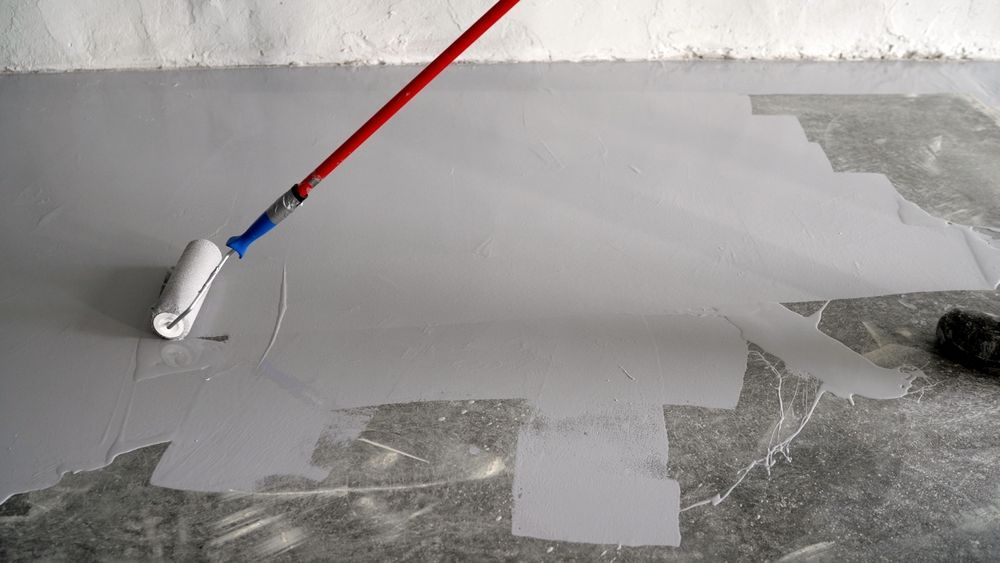
Your concrete is assessed for existing coatings, contamination, and structural condition before any grinding begins. Diamond tooling is selected based on concrete hardness, which varies depending on the original mix design and curing conditions. The grinding process removes the smooth troweled surface and creates a roughened profile that allows mechanical bond between the slab and the coating system.
After preparation is complete, you see exposed aggregate with a consistent texture across the entire surface. Cracks are filled flush with the surrounding concrete, and any low spots or surface irregularities are addressed so the coating applies evenly. The floor is then vacuumed to remove all dust and contaminants that would interfere with adhesion.
The condition of your existing concrete determines how much material must be removed and whether additional repairs are needed before coating. Older slabs with multiple layers of previous coatings require more aggressive grinding, while newer concrete may only need light profiling to achieve proper surface preparation.
Questions Before Starting Your Project
Homeowners in Middlesex often have similar concerns before committing to floor preparation and coating installation.
What happens if the concrete is not prepared correctly?
Coatings applied over improperly prepared surfaces fail prematurely through delamination, bubbling, or peeling, which means the floor must be stripped and redone entirely.
How does preparation vary based on concrete age?
Older concrete often contains more contaminants and may have surface carbonation that requires deeper grinding to reach sound material underneath.
What tools are used during the preparation process?
Diamond grinding equipment with dust extraction systems removes surface material while controlling airborne particles, and crack repair involves flexible polyurea or epoxy fills depending on crack width and movement.
When should cracks be repaired versus left alone?
Active cracks that continue to move are filled with flexible materials, while dormant cracks are filled with rigid epoxy to prevent coating from bridging and cracking later.
Why does surface profile matter for coating performance?
The profile depth determines the surface area available for mechanical bond, and coatings require a minimum profile to achieve the adhesion strength needed for long-term performance.
Alpine Concrete Coatings follows proven installation procedures on every project to verify your concrete is ready for coating application. Schedule a free estimate to review your floor condition and preparation requirements.