Floors Built for Spills and Heavy Use
Epoxy Flooring in Middlesex for interior spaces requiring stain resistance, moisture protection, and seamless durability
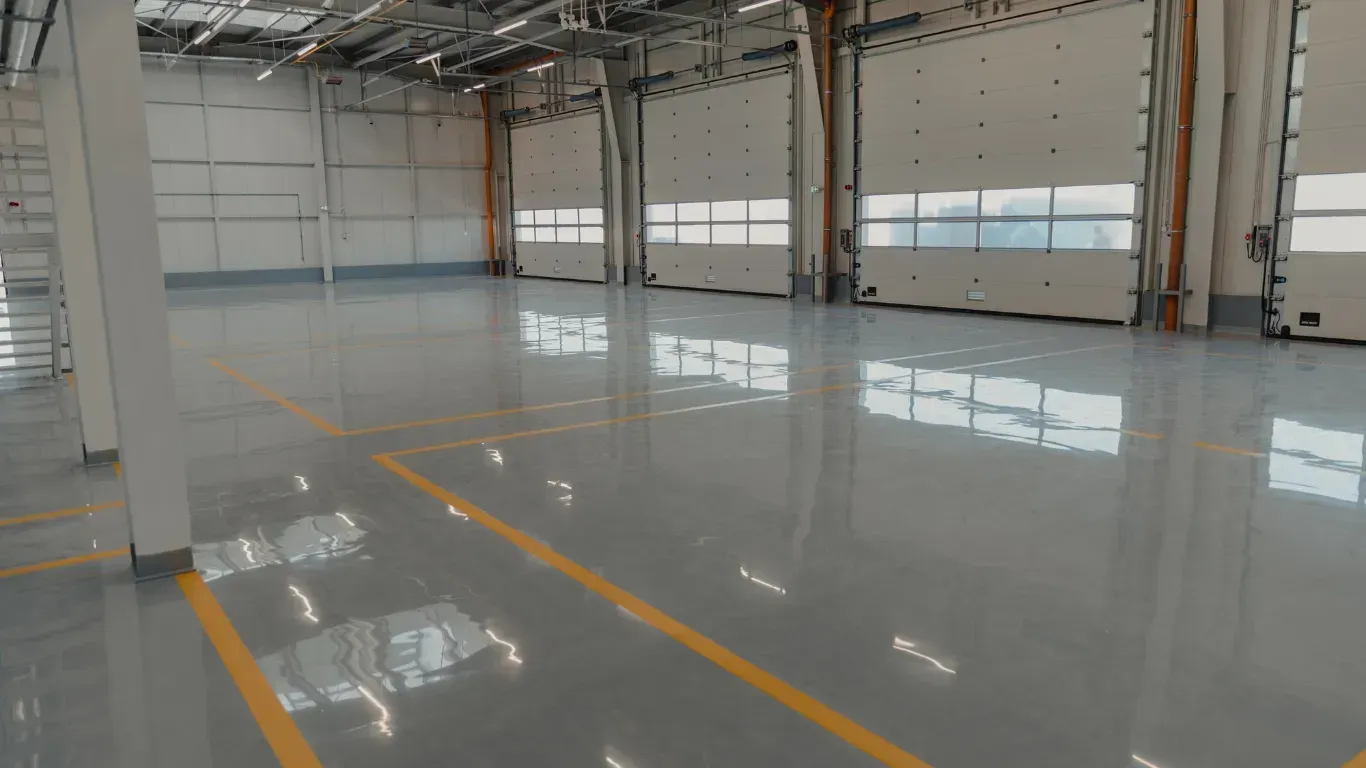
Concrete floors in unfinished basements, utility rooms, and workshop areas absorb spills, harbor dust, and deteriorate under repeated wet-dry cycles. Alpine Concrete Coatings installs epoxy flooring systems in Middlesex that bond directly to the concrete substrate and create a nonporous surface resistant to water, household chemicals, and mechanical abrasion. The seamless nature of epoxy eliminates grout lines and seams where contaminants collect, making the floor easier to clean and maintain compared to tile or unsealed concrete.
The installation process requires grinding the concrete to remove any existing coatings, laitance, or contaminants that would prevent the epoxy from achieving full bond strength. Cracks and control joints are routed and filled to prevent reflective cracking through the epoxy layer. Multiple epoxy coats are applied in sequence, with each layer chemically bonding to the previous one as the material cross-links and hardens into a unified system.
Arrange an on-site consultation to evaluate your floor condition and discuss epoxy system options suited to your space.
How Epoxy Systems Address Moisture and Wear
The epoxy resin and hardener components mix at application time and undergo a chemical reaction that transforms the liquid material into a rigid, cross-linked polymer. This curing process creates molecular bonds with the concrete surface profile, producing adhesion strength measured in hundreds of pounds per square inch when pull-tested. Proper mixing ratios and application temperatures directly affect cure speed and final hardness of the epoxy layer.
After the system cures completely, the floor surface resists staining from oil, antifreeze, fertilizers, and household cleaners that would otherwise penetrate bare concrete and leave permanent marks. Liquids bead on the surface rather than soaking in, allowing simple cleanup with a mop or squeegee. The floor no longer produces concrete dust that settles on stored items or gets tracked into living areas, and the sealed surface blocks moisture vapor transmission that can cause musty odors in enclosed spaces.
Warranty coverage from both the epoxy manufacturer and the installer provides protection against delamination, loss of adhesion, or premature wear when the system is installed according to specifications. The warranty terms specify acceptable substrate conditions, required maintenance practices, and coverage duration for both materials and labor.
Answers to Frequent Service Questions
Homeowners in Middlesex considering epoxy flooring typically want to understand curing times, surface preparation depth, and performance limitations before moving forward.
What happens if the concrete has existing moisture issues?
High moisture vapor emission rates require mitigation steps such as moisture vapor barriers or specialized primer systems before epoxy installation. Testing the concrete slab for moisture content prevents future delamination caused by vapor pressure pushing up from below.
How long before the floor can handle vehicle traffic or heavy equipment?
Most epoxy systems require 24 to 48 hours before foot traffic and 5 to 7 days before full mechanical load or vehicle traffic. Temperature and humidity conditions during cure affect these timelines, with cooler weather extending the required wait time.
Why does surface profile depth matter for epoxy adhesion?
The concrete grinding process creates peaks and valleys measured in thousandths of an inch that increase bonding surface area. Too smooth and the epoxy lacks mechanical grip, too rough and you waste material filling deep valleys without gaining additional bond strength.
When should decorative color flakes be incorporated into the system?
Color flakes broadcast into the wet base coat provide slip resistance and visual texture while hiding minor substrate imperfections. The broadcast density ranges from light scatter to full coverage depending on the desired appearance and functional requirements.
What chemicals can damage a cured epoxy floor?
While epoxy resists most household chemicals, prolonged exposure to strong solvents or acids can dull the finish or cause softening. Cleaning with pH-neutral solutions preserves the topcoat gloss and extends the floor's service life in Middlesex homes.
Alpine Concrete Coatings customizes each epoxy flooring system based on your space dimensions, usage patterns, and aesthetic preferences, with installations backed by manufacturer and workmanship warranties. Schedule a free estimate to discuss flooring solutions for your interior concrete surfaces.