Lower Level Floors Built for Storage and Use
Basement Floor Coatings in Middlesex for below-grade concrete spaces requiring moisture control and easy-clean surfaces
Below-grade concrete floors in basements face moisture vapor transmission from the soil beneath the slab, creating damp surfaces that encourage mold growth and produce musty odors in enclosed spaces. Coating systems installed by Alpine Concrete Coatings create moisture-resistant barriers that prevent vapor from reaching the floor surface while providing durable, easy-to-clean finishes suited to storage areas, utility rooms, and finished basement spaces. The coating approach varies based on whether your basement functions as unfinished storage, houses mechanical equipment, or serves as finished living space with different moisture control and aesthetic requirements.
Installation begins with moisture testing the concrete slab to measure vapor emission rates, which determine whether standard coatings will adhere or if moisture mitigation primers are required first. The concrete surface is mechanically prepared to remove any existing sealers or contaminants and create the profile depth needed for coating adhesion. Cracks and control joints receive treatment to prevent moisture wicking through these vulnerable points and causing coating failure along joint lines.
Schedule a consultation to evaluate your basement's moisture conditions and discuss coating systems appropriate for your intended use.
What You Notice Once Basement Coating Is Finished
Moisture-resistant coating systems incorporate vapor barriers within the primer layers that slow or block water vapor movement through the concrete slab. This prevents the damp feeling on bare concrete and reduces humidity contribution to the basement air space. The coating builds through multiple layers, starting with penetrating sealers that lock into the concrete pores, continuing with moisture-blocking base coats, and finishing with topcoats selected for either high durability in utility areas or attractive appearance in finished spaces.
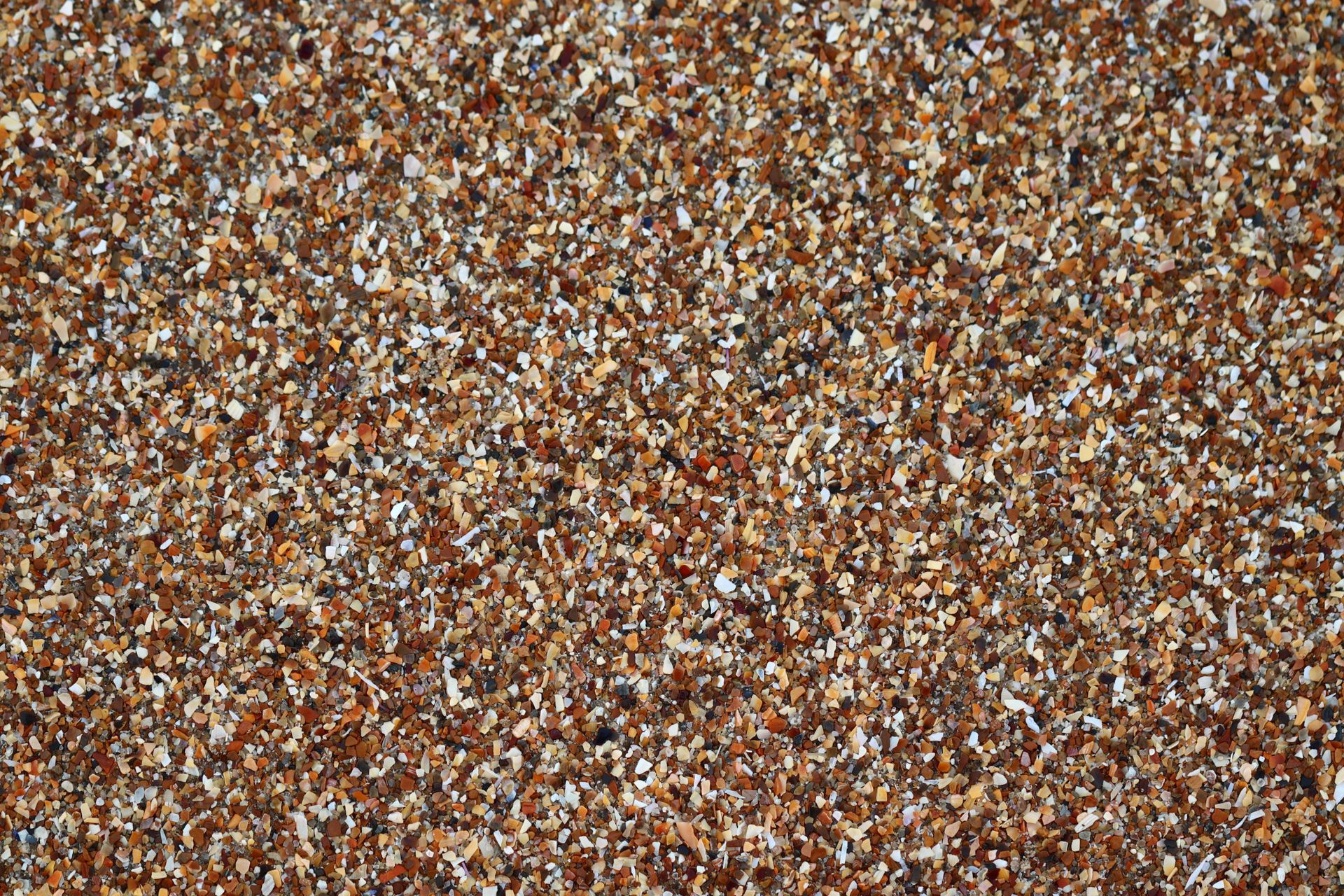
The completed floor surface no longer produces concrete dust that settles on stored items and mechanical equipment, and spills from laundry, water heaters, or cleaning activities wipe up easily without leaving permanent stains. The seamless coating eliminates the porous texture where dirt accumulates in bare concrete, making routine cleaning faster and more effective. Light-reflective colors brighten the basement space by bouncing available light off the floor rather than absorbing it into dark, unfinished concrete.
The coating system addresses surface moisture and wear resistance but does not solve active water intrusion from foundation leaks, poor exterior drainage, or hydrostatic pressure pushing bulk water through foundation walls. These conditions require separate waterproofing remediation before coating installation to prevent delamination from water trapped beneath the coating layer.
What Property Owners Usually Ask
Basement coating projects generate questions about moisture testing, preparation for below-grade conditions, and appropriate systems for different basement uses.
How is concrete moisture content measured before coating?
Calcium chloride tests or relative humidity probes quantify moisture vapor emission rates over 24 to 72 hours. Results above manufacturer thresholds indicate the need for moisture mitigation primers or longer concrete drying time before coating application.
What preparation steps address efflorescence on basement floors?
White mineral deposits indicate moisture movement through the concrete, requiring removal through mechanical grinding and application of moisture-blocking primers. Surface cleaning alone does not remove the salts deposited within the concrete pores.
Why do some basement coatings bubble or blister after installation?
Moisture vapor trapped beneath the coating creates pressure that lifts the coating away from the concrete. Proper moisture testing and mitigation prevent this failure mode in Middlesex basements where soil moisture levels fluctuate seasonally.
When should antimicrobial additives be included in basement coatings?
Below-grade spaces with limited air circulation and elevated humidity benefit from antimicrobial compounds that resist mold and mildew growth on the coating surface. These additives do not eliminate existing mold but prevent new growth on the coated floor.
What finish options balance durability with appearance in finished basements?
Satin or semi-gloss topcoats provide easier cleaning than matte finishes while reducing the glare and surface imperfection visibility of high-gloss coatings. Decorative flake broadcast adds visual interest and slip resistance appropriate for multi-purpose basement spaces.
Alpine Concrete Coatings customizes basement floor coating systems based on moisture testing results, space usage, and finish preferences, with insured installation and warranty-backed workmanship. Request a free estimate to discuss moisture-resistant coating solutions for your below-grade concrete surfaces.